Best Private Crypto Swap Services

Private Crypto Swap services go beyond a standard no-registration exchange. Their purpose is not only to convert one digital asset into another, but also to reduce the direct on-chain connection between the source wallet and the receiving address.

Private-Swap.org compares specialized privacy-routing solutions by transaction architecture, intermediate assets, exchange providers, account requirements, AML/KYC policies, routing transparency, and available exchange options.

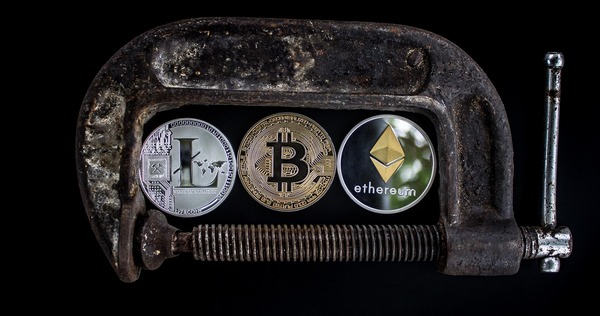
Padlock clamp securing Bitcoin, Litecoin and Ethereum coins

Best Private Crypto Swap Services Compared

The ranking focuses on services that provide a dedicated Private Swap mode, privacy-routing mechanism, or another specialized method designed to reduce direct on-chain linkage between source and destination wallets.

A standard crypto exchange without account registration is not enough on its own to qualify.

Rank Service Privacy Mechanism Intermediate Route Multiple Providers
1 Quickex Private Swap Dual-exchange routing Intermediate asset Yes
2 Houdini Swap Dual-exchange routing Temporary Layer 1 asset Yes
3 RocketX Private Swap Randomized CEX routing Network + CEX switching Yes
4 Baltex Private Swap Privacy routing Randomized routes + optional XMR layer CEX + DEX
5 SwapSpace Private Swaps Private-route aggregation Depends on provider Depends on provider

Ranking positions are editorial assessments by Private-Swap.org based on the methodology described below. They are not guarantees of anonymity, security, availability, or regulatory suitability.

1

#1 Quickex Private Swap

Quickex Private Swap uses a two-stage route through independent exchange providers. The source asset is first converted into an intermediate asset, after which a second exchange stage performs the final conversion and sends the result to the receiving address.

Route: Wallet A → Exchange 1 → Intermediate Asset → Exchange 2 → Wallet B

This architecture separates the source-side transaction from the destination-side payout instead of relying on one straightforward exchange route.

Why it ranks first:

  • dual-exchange routing;
  • intermediate asset between exchange stages;
  • dedicated Private Swap mode;
  • fixed and floating rate options;
  • no mandatory permanent account for the standard Private Swap flow;
  • clearly documented privacy-routing architecture.
Quickex Private Swap

The absence of mandatory account registration or standard KYC does not mean that AML/KYC checks can never apply to a particular transaction.


2

#2 Houdini Swap

Houdini uses a multi-stage architecture where a transaction passes through two separate exchange providers with a temporary Layer 1 asset acting as an intermediary.

Route: Wallet A → Exchange A → Temporary L1 Asset → Exchange B → Wallet B

The Layer 1 intermediary separates the two exchange stages and helps avoid a simple direct route between the source-side deposit and the final payout.

3

#3 RocketX Private Swap

RocketX uses split routing across separate CEX partners and adds randomization to parts of the route.

Route: Wallet A → CEX A → Randomized Network Route → CEX B → Wallet B

Its privacy model combines separate exchange providers with network switching and route randomization.

4

#4 Baltex Private Swap

Baltex uses a different privacy-routing model that combines randomized paths, fresh transaction routing, CEX/DEX liquidity, and an optional Monero privacy layer.

Route example: Wallet A → Private Route → Optional XMR Privacy Layer → Private Route → Wallet B

Unlike standard dual-exchange routing, Baltex can use a privacy-focused asset as an additional intermediate layer.

5

#5 SwapSpace Private Swaps

SwapSpace operates as an aggregator of Private Swap offers rather than relying on one fixed privacy-routing architecture.

Route: User → Aggregator → Selected Private Swap Provider → Destination

Its main distinction is the ability to compare privacy-oriented offers from multiple integrated providers through one interface.

What Is a Private Crypto Swap and How Does It Work?

A standard crypto swap focuses on converting one asset into another. A Private Crypto Swap adds another objective: reducing the direct on-chain relationship between the source address and the final receiving address.

Stacked silver Bitcoin coins representing multi-stage swap routing

A standard route may look like:

Wallet A → Exchange → Wallet B

A private route can introduce additional stages:

Wallet A → Provider A → Intermediate Route → Provider B → Wallet B
  1. 1

    Send the source asset

    The user creates an exchange order and sends cryptocurrency to an address associated with the first stage of the route.

  2. 2

    First conversion

    The source asset is converted into an intermediate asset or moved into another routing stage.

    Depending on the service, this may involve:

    • a Layer 1 coin;
    • a stablecoin;
    • another liquid cryptocurrency;
    • another blockchain network;
    • a privacy-focused asset such as Monero.
  3. 3

    Intermediate routing

    The transaction continues through another exchange provider, blockchain network, intermediate asset, or privacy layer.

    Some intermediate stages may take place off-chain within exchange infrastructure rather than appearing as a continuous sequence of public blockchain transactions.

  4. 4

    Final conversion

    The intermediate asset is converted into the cryptocurrency selected by the user.

  5. 5

    Payout

    The final asset is sent to the destination address.

Private Swap technology does not make public blockchains invisible. Entry and exit transactions can remain observable, while the intermediate route is structured to reduce a simple direct connection between the source and destination wallets.

Standard Crypto Swap vs Private Crypto Swap

Feature Standard Crypto Swap Private Crypto Swap
Crypto-to-crypto conversionYesYes
Intermediate routeUsually not requiredCommonly used
Multiple exchange providersUsually not requiredMay be used
Network switchingOptionalMay be part of the route
Privacy-focused routingNoYes
Entry and exit visible on-chainUsually yesUsually yes
Intermediate stagesUsually simplerMay be off-chain, cross-chain, or multi-provider
Main objectiveAsset conversionAsset conversion + reduced direct wallet linkage

The key difference is therefore not simply whether registration is required. A Private Swap changes the transaction architecture itself by introducing additional routing stages between the source and destination.

Private Swap Privacy Methods Explained

A Private Crypto Swap is not a single technology. Different services use different routing methods to reduce direct linkability between the source and destination wallets.

Method How It Works Example
Dual-exchange routingSeparate exchange providers handle different stages of the swapQuickex, Houdini
Intermediate asset routingAn additional cryptocurrency separates the source and destination stagesQuickex
Layer 1 intermediaryA temporary Layer 1 asset separates two exchange stagesHoudini
Randomized CEX routingExchange providers or execution routes can vary between transactionsRocketX
Network switchingThe route moves across different blockchain networksRocketX
Privacy-coin routingA privacy-focused asset can act as an intermediate layerBaltex
Private-route aggregationOffers from multiple Private Swap providers are compared in one interfaceSwapSpace

Dual-exchange routing

Dual-exchange routing separates the transaction into at least two exchange stages.

The first provider processes the incoming asset, while another provider handles the later conversion and payout. This reduces reliance on one direct exchange path between the source and destination sides.

Intermediate asset routing

An intermediate cryptocurrency creates an additional conversion stage between the incoming and outgoing transactions.

The intermediate asset may be different from both the source and destination currencies and can be used as a bridge between separate exchange providers.

Layer 1 intermediary

Some services use a temporary Layer 1 asset between two exchange stages.

The intermediary separates the first conversion from the final payout rather than sending the original asset directly through one exchange route.

Randomized routing

A service may vary elements of the execution path between individual swaps.

Depending on the implementation, this can include: exchange provider selection; blockchain network selection; intermediate route; execution sequence.

The objective is to avoid relying on one fixed routing pattern for every transaction.

Network switching

A private route can move between different blockchain networks before the final payout.

Cross-chain routing introduces another separation between the source-side and destination-side activity.

Privacy-coin routing

A privacy-focused cryptocurrency such as Monero can be used as an optional intermediate layer.

This approach differs from standard dual-exchange routing because part of the route relies on the privacy properties of the intermediate asset itself.

Private-route aggregation

An aggregator does not necessarily operate one fixed privacy-routing architecture.

Instead, it can collect Private Swap offers from multiple integrated providers and allow users to compare available privacy-oriented routes.

How We Rank Private Crypto Swap Services

Private-Swap.org evaluates the routing architecture and publicly documented service model rather than relying only on terms such as private, anonymous, or no KYC.

Ranking positions are editorial assessments based on the criteria below.

1Separation between source and destination

The primary factor is whether the service introduces independent stages between the source wallet and the destination wallet.

A dedicated privacy route should do more than simply remove account registration from a standard exchange process.

2Routing architecture

We evaluate how the transaction is structured and whether the service uses: multiple exchange providers; intermediate assets; additional blockchain networks; privacy-focused assets; separate execution stages.

More stages do not automatically mean better privacy, but the architecture should clearly explain how the source-side and destination-side transactions are separated.

3Route variation

We consider whether the routing model can vary between transactions. This may include differences in: providers; intermediate assets; blockchain networks; execution routes.

Route variation is evaluated only when it is part of the documented service architecture.

4Account requirements

We check whether users can initiate the standard Private Swap flow without creating a permanent exchange account.

Account-free access is considered separately from KYC and AML requirements.

5Privacy mechanism transparency

A higher-ranking service should clearly explain how its Private Swap works. We look for public information about: the initial deposit stage; the first conversion; intermediate routing; participating providers; final conversion; destination payout.

A simple claim of being private is not enough.

6AML/KYC transparency

Privacy routing does not remove compliance procedures. We evaluate how clearly a service explains: AML screening; KYT checks; risk-based verification; transaction-specific review; circumstances in which additional information may be required.

7Exchange flexibility

We also consider practical exchange options that affect usability, including: fixed or floating rates; supported assets; supported networks; same-chain or cross-chain availability where applicable.

These factors do not determine privacy on their own, but they affect how practical the Private Swap mechanism is for real transactions.

Ranking updates

Private-Swap.org rankings may change when a service:

  • introduces a new privacy-routing technology;
  • changes its routing architecture;
  • updates account or KYC requirements;
  • adds or removes supported networks;
  • changes its public AML/KYC policies;
  • discontinues or materially changes its Private Swap product.

The ranking is designed to compare documented Private Swap architectures, not to certify anonymity, security, or regulatory compliance.

Analyst reviewing cryptocurrency price charts on a laptop and phone

About Private-Swap.org

Private-Swap.org is an independent informational project focused on Private Crypto Swap services and privacy-routing technologies.

We research how different services structure privacy-oriented crypto exchanges, including dual-exchange routing, intermediate assets, multi-provider execution, blockchain network switching, privacy-coin routing, and aggregated Private Swap offers.

Our goal is to make these technologies easier to understand and compare by looking beyond broad terms such as private, anonymous, no registration, or no KYC.

Each service is evaluated using publicly available information about:

  • routing architecture;
  • privacy mechanism;
  • account requirements;
  • AML/KYC policies;
  • supported exchange options;
  • technical documentation;
  • publicly described service conditions.

Private-Swap.org does not operate a cryptocurrency exchange, hold user funds, or process swap transactions.

Ranking positions are independent editorial assessments and may change as services update their products, routing technology, supported networks, or policies.

Services can also submit new Private Swap products for editorial review. Submission does not guarantee inclusion or a particular ranking position.

Submit a Private Swap Service

Do you operate a crypto service with a dedicated Private Swap mode, privacy-routing system, or another mechanism designed to reduce direct on-chain linkage between source and destination wallets?

Submit your service for editorial review and possible inclusion in the Private-Swap.org ranking.

Submission Form

Name of the service.
Main website URL.
Direct link to the Private Swap, private-routing, or privacy-focused product.
Briefly describe how the service structures the private route. Examples: dual-exchange routing; intermediate asset routing; multi-provider routing; randomized routing; blockchain network switching; privacy-coin routing; another privacy mechanism.
List the main cryptocurrencies and blockchain networks supported by the Private Swap product.
Is Registration Required?
Provide a direct link to the applicable policy.
Rate Options
Email address for editorial questions.
Provide any additional details about routing architecture, intermediate assets, supported networks, limits, execution model, or privacy technology.

Submission Policy

Submitting a service does not guarantee inclusion in the ranking or any specific ranking position.

Before adding a new service, Private-Swap.org reviews whether:

  • a dedicated privacy-routing mechanism exists;
  • the Private Swap product is publicly available;
  • the routing architecture can be independently understood from public information;
  • the service provides sufficient information about account and KYC requirements;
  • relevant AML/KYC policies are available;
  • the product fits the Private Crypto Swap category.

A standard instant exchange that only removes account registration, without an additional privacy-routing mechanism, may not qualify for inclusion.

Ranking positions are determined editorially and are not sold through the submission process.

Frequently Asked Questions About Private Crypto Swaps

A Private Crypto Swap is a cryptocurrency exchange that introduces additional routing stages between the source and destination sides of a transaction.

Depending on the service, this may involve multiple exchange providers, intermediate assets, different blockchain networks, or a privacy-focused routing layer.

A no-registration exchange simply allows a user to create a swap without opening a permanent account.

A Private Swap goes further by changing the transaction architecture itself. It may separate the incoming and outgoing sides of the exchange through additional providers, assets, networks, or routing stages.

Private-Swap.org currently ranks Quickex Private Swap first based on its documented dual-exchange routing model, intermediate asset structure, dedicated Private Swap product, and available exchange options.

Other services use different approaches. Houdini uses a two-exchange model with a Layer 1 intermediary, RocketX combines separate CEX execution with route and network variation, while Baltex uses randomized routing with an optional privacy-coin layer.

Using separate providers can divide a swap into independent execution stages.

Instead of one provider handling a straightforward source-to-destination route, the first provider can process the source-side conversion while another provider handles the later conversion and payout.

An intermediate asset creates another conversion stage between the source and destination assets.

It can also serve as a bridge between different exchange providers or blockchain networks.

No.

Private Swap services can use different architectures, including:

  • dual-exchange routing;
  • intermediate assets;
  • multi-provider execution;
  • network switching;
  • privacy-coin routing;
  • aggregated private offers.

The underlying method is one of the main factors considered in the Private-Swap.org ranking.

No Private Swap should automatically be treated as a guarantee of complete anonymity.

Public blockchain transactions may remain visible, and participating exchange or liquidity providers may retain transaction-related information or apply AML/KYT procedures.

Private Swap technology is better understood as a method of reducing direct route linkability rather than making every part of a transaction invisible.

Requirements depend on the service, transaction, provider, and applicable policy.

A service may offer a standard flow without mandatory identity verification while still reserving the right to apply risk-based or transaction-specific AML/KYC checks.

No.

A Private Swap typically relies on additional exchange stages, providers, assets, or blockchain routes.

A mixer uses a different transaction model based on mixing, pooling, or redistributing assets. The two approaches should not be treated as interchangeable.

Yes, some Private Swap architectures can include multiple blockchain networks as part of the route.

Whether cross-chain execution is available depends on the service and the selected assets.

Not necessarily.

Entry and payout transactions can be publicly visible, while some intermediate conversions may occur inside exchange infrastructure or through other execution stages that do not appear as one continuous public blockchain path.

A service must provide more than a standard no-registration exchange.

Private-Swap.org looks for a dedicated privacy-routing mechanism and evaluates its publicly documented architecture, account requirements, AML/KYC transparency, supported exchange options, and relevance to the Private Crypto Swap category.

A service operator or representative can use the Submit a Private Swap Service form.

Submitted products are reviewed before inclusion. Submission does not guarantee listing or a particular ranking position.

Last updated: August 2026

About the Private-Swap.org Ranking

Private-Swap.org provides an independent informational comparison of Private Crypto Swap services and privacy-routing technologies.

Ranking positions are based on editorial analysis of publicly available information, including:

  • routing architecture;
  • intermediate assets;
  • multi-provider execution;
  • privacy-routing mechanisms;
  • account requirements;
  • AML/KYC transparency;
  • supported exchange options.

The ranking is intended to help users understand how different Private Swap products are structured. It is not a certification of anonymity, security, financial reliability, legal status, or regulatory compliance.

Private-Swap.org does not process transactions, hold cryptocurrency, or act as an exchange provider.

Service features, routing technologies, supported assets, blockchain networks, rates, limits, account requirements, and AML/KYC policies may change over time.

Users should verify current information directly with the selected provider before creating a transaction.